

BY SRH
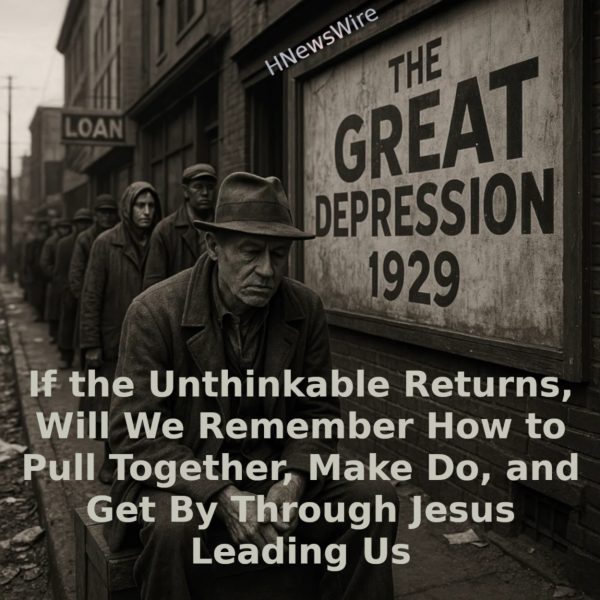

10 Ways Americans Survived the Great Depression—And Why We’re Not Ready for It Now
The summer of 1932 painted an unforgettable picture on Washington’s Anacostia flats: 17,000 World War I veterans and their families lived in makeshift camps, waiting for a promised government bonus. Makeshift homes—a patchwork of shipping crates, tin, and wood scraps—rose from desperation. When the bonus was revoked, tanks and cavalry were sent in. The camps were cleared by force, gas and fire were used, shacks burned through the night, and two veterans lost their lives. As the camps vanished, so did many Americans’ faith in their government’s willingness—or ability—to intervene for the common good.
The Bigger Backdrop: Unraveling from Wall Street to Main Street
The Great Depression wasn’t just stock market chaos. By the time the Bonus Army camps burned, 9,000 banks had failed. First, banks locked their doors. Then farms failed, followed by manufacturing towns. Cities, starved of tax revenue, ran out of relief money. Welfare offices like Detroit’s printed their own scrip. On Chicago’s relief rolls, families surged from 700 in October 1930 to 22,000 by April. Struggling men in suits—some recently employed—sold apples on the Manhattan streets.
How Did Americans Survive? Ten Lessons and Warnings
- Resourcefulness: Families built homes from whatever could be salvaged—shipping crates, car parts, and abandoned debris.
- Self-Reliance: People grew victory gardens, raised chickens in city lots, canned food, and bartered skills and goods.
- Community Support: Neighbors pooled resources, watched over each other’s children, and lent a hand in hard times.
- Ingenuity in Work: When jobs vanished, people found any way to survive—selling apples, fixing shoes, or offering odd jobs.
- Humility: Former professionals stood on street corners, jobless yet dignified, doing whatever was necessary to put food on the table.
- Migration: Many moved across states in search of seasonal or industrial work, forming new communities on the road.
- Homemade Solutions: Relief scrip, barter networks, and cooperative kitchens sprung up when official aid faltered.
- Frugality: Waste was a luxury no one could afford; every bit was stretched or reused.
- Persistence Against the Odds: Despite eviction and hunger, millions kept hoping and working toward better days.
- Faith: Churches became havens of both material help and spiritual encouragement, binding communities in uncertainty.
Are We Ready for Another Depression?
- Lost Skills: Modern society is less practiced in these survival strategies; resourcefulness and self-reliance have been replaced by convenience and dependence on complex systems.
- Weak Community Links: Many no longer know their neighbors or possess the community bonds that once held people together through hardship.
- High Expectations: Today’s culture is used to comfort and instant solutions, not the relentless creativity or hardships that defined the 1930s.
- Government Distrust: Past betrayals (like those suffered by the Bonus Army) remind us: when systems break down, you may be on your own.
Final Thoughts…..
The true stories of the Great Depression reveal a level of resilience, ingenuity, and sacrifice many today have never had to practice. If the unthinkable returns, will we remember how to pull together, make do, and get by? Or will our readiness be found wanting? Now, more than ever, it’s time to learn from the past—before history’s lessons return as tomorrows reality.

Support Independent Truth,I’m committed to keeping my work open and accessible for everyone—no subscription fees, no paywalls, ever. If you value these independent reports and want to help sustain them, your support makes a real difference.If you’d like to contribute, any amount is deeply appreciated. To give by mail, please make your check payable to: HiMedia Group LLC
PO BOX 127
Pontotoc, TX 76869
Thank you for standing with me—and for standing for the truth.

